I presented a session on customer loyalty at Sage Insights this week. One of my messages about generating positive word of mouth had to do with being remarkable. Ever since I read Seth Godins book, The Purple Cow, I have paid attention to how others make themselves or their company "remarkable". I have also tried to make my presentations include something memorable, surprising, and hopefully remarkable.
But what struck me in the session, during the portion of it that was based on The Dating Game, was that different people can be remarkable in different ways. We had a Customer Loyalty Dating Game in which three Sage Business partners had to answer the questions posed by a prospective customer, played by Dennis Frahmann.
Each of the partners who kindly volunteered to be potential matches for the customer were remarkable in their own way. Wayne Schultz is a master tweeter, a technology guru who is well known for the advice, answers and information that he freely shares. He is remarkably prolific and uses technology to full advantage.
Jeannie Huckstep is a quiet leader devoted to the success of her Not For Profit clients. She has a team of equally talented business professionals who have helped her become a national expert. She is remarkable for her focus, for her depth of knowledge, and for the sense of calm that she instills in anyone who talks to her.
And then there is Bettye Baker. If the addition of that extra "e" at the end of her name wasn't enough to make Bettye remarkable, there are the stories. Bettye launches into one of her stories with that Texas accent and you can't help but hang on for the ride. She compares a software implementation to a funeral - and it actually makes sense. She's a one woman show and you get the sense that one woman is plenty. She is remarkable for those stories.
What is remarkable about you?
|
0 Comments
I don’t know if this is just a U.S. thing or not. But what is it about foreign accents? When I listen to a speaker from another country, I want them to be successful. I give them far more benefit of the doubt and I listen more closely and carefully than I do locals. |
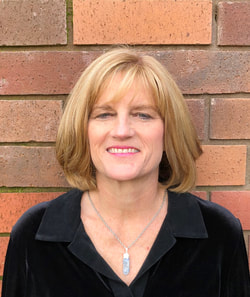 Geni Whitehouse CPA, CITP, CSPM Author, speaker, trainer > 50% Countess of Communication, Brotemarkle,Davis Co. > 50% Writin', speakin', consultin' Co-founder of SolveServices.com a remote bookkeeping service for wineries. How to hire me. Author How to Make a Boring Subject Interesting : 52 ways even a nerd can be heard I have a ton of other websites including my newest for Twitter newbies www.evenatwit.com Originally from Greenville, SC, I now live in Napa, California. Contact Geni
I am an accountant on a mission. I want to permanently remove the blight of BORING that has attached itself to members of my profession.
But the boring blight doesn't stop there. It's everywhere. I've found it in wineries (although it's a tad more palatable when served with alcohol), in science labs, even in Art museums. And technology people carry the "B" gene too. But the condition need not be fatal. I lecture around the country to accountants and technology audiences and I have a ball. I was a partner in an Atlanta CPA firm when I realized technology was my true passion and I have been fighting the nerd versus geek battle ever since. Through some stroke of absolutely amazing luck, I now find myself in Napa -- the most gorgeous, hospitable place imaginable. Are you on Twitter? You can follow my nerdy life there : evenanerd Contact me geni@evenanerd.com I am a graduate of the Jeff Justice Comedy Workshoppe and the Persuasive Speaker course taught by Speechworks. I highly recommend both of these organizations. I have also taken training from the amazing Lynda Spillane. I am not unbiased, nor do I wish to be. I have done work for anyone and everyone in the software industry or the accounting profession. If I am not impressed by what you do or can't find an angle that is interesting or unique, I won't work for or with you. And if you are stodgy or boring, there are not enough dollars or even euros to make me help you. See samples of my writing here: www.salestaxradar.com www.mybizcounts.com  Archives
July 2017
Categories
All
Other websites you might enjoy: |
 RSS Feed