One of the best presentations I have seen in a while was made by a friend of mine, Brian Terrell at Code Partners.
He runs a company that does custom software development via a team of employees that are based in China. Last week, during a lunch break at an event he put on, Brian took about 15 minutes to show 6 slides from his trip to visit his employees in the China office. His approach was very effective, in that first of all, it made us all aware of the size of his team, the depth of his investment, and the resources he has brought to bear on building custom solutions. He had photographs of various places and people that he encountered on his visit and he magically tied each photo to some interesting facts about China, then related that to his business and his customers, which made an emotional connection to his audience. Throughout the presentation we were drawn to the images and the story and got a sense of the company that Brian has built. Without doing any selling at all, Brian made each of us want to work with him and his company.
Brian probably doesn't consider himself a professional presenter, and in fact brought in others to handle most of the presentations at his event that day, but he put everyone else to shame.
Now I'm going to have to find 6 slides of Georgia I can use for my next presentation. I wonder how I'm gonna use pictures of Waffle Houses to illustrate Internal Reporting concepts?
|
0 Comments
When you make a presentation you need to know your goal. Last week, I attended the Napa Valley Wine & Grape Expo. I attended one session called "New Approaches to Improving Red Wine Quality". The one hour session was co-presented by two obviously intelligent individuals, both of whom had a research orientation. The first presenter (wine nerd) talked about his research which was concerned with the effects of water on grapes and permeability of the grape skin. The second presenter studied a number of different aspects of the fermentation process. Both topics were technical in nature. But they were totally different in terms of style and approach and the level of audience absorption (now I'm starting to sound like a researcher.) |
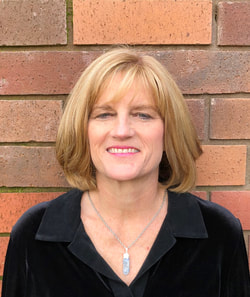 Geni Whitehouse CPA, CITP, CSPM Author, speaker, trainer > 50% Countess of Communication, Brotemarkle,Davis Co. > 50% Writin', speakin', consultin' Co-founder of SolveServices.com a remote bookkeeping service for wineries. How to hire me. Author How to Make a Boring Subject Interesting : 52 ways even a nerd can be heard I have a ton of other websites including my newest for Twitter newbies www.evenatwit.com Originally from Greenville, SC, I now live in Napa, California. Contact Geni
I am an accountant on a mission. I want to permanently remove the blight of BORING that has attached itself to members of my profession.
But the boring blight doesn't stop there. It's everywhere. I've found it in wineries (although it's a tad more palatable when served with alcohol), in science labs, even in Art museums. And technology people carry the "B" gene too. But the condition need not be fatal. I lecture around the country to accountants and technology audiences and I have a ball. I was a partner in an Atlanta CPA firm when I realized technology was my true passion and I have been fighting the nerd versus geek battle ever since. Through some stroke of absolutely amazing luck, I now find myself in Napa -- the most gorgeous, hospitable place imaginable. Are you on Twitter? You can follow my nerdy life there : evenanerd Contact me geni@evenanerd.com I am a graduate of the Jeff Justice Comedy Workshoppe and the Persuasive Speaker course taught by Speechworks. I highly recommend both of these organizations. I have also taken training from the amazing Lynda Spillane. I am not unbiased, nor do I wish to be. I have done work for anyone and everyone in the software industry or the accounting profession. If I am not impressed by what you do or can't find an angle that is interesting or unique, I won't work for or with you. And if you are stodgy or boring, there are not enough dollars or even euros to make me help you. See samples of my writing here: www.salestaxradar.com www.mybizcounts.com  Archives
July 2017
Categories
All
Other websites you might enjoy: |
 RSS Feed