Have you ever been stuck sitting next to someone who was excitedly sharing a stack of photos of people you have never met? They rattle off one name after another with no context and nothing interesting to say about any of them. It might be me, but I don't really like seeing pictures of people and would much prefer to look at buildings, objects, scenery, flowers, dogs, birds on a rock, pretty much anything else. Now babies and relatives in unflattering poses are clearly an exception to that rule.
On the other hand, I have been shown a stack of pictures of people I didn't know but was told an interesting twist about something that happened off camera between that person and the person sharing their photos, or was able to observe a facial expression that made it interesting, or there was some connection in the photos to something I cared about. Those photos were interesting, not boring.
I don't think any subject is iinherently boring or interesting . It's the context in which the subject is shared. I mean think about it. Even the most exciting picture of athletes skiing downhill can get boring if you see enough of them. Imagine watching a two hour clip of just Pamela Anderson running down that Bay Watch beach, over and over. I venture to guess that even that would get boring eventually. And if I don't care about the type of Civil War buttons worn by all of the generals but one, that topic is not going to hold my attention. But I guarantee I can find someone who is going to be riveted to that button special when it airs on the history channel. (No riveting puns intended.)
What this means is that the person sharing the topic (or the photos) is in a position of great power and is determining whether that topic will henceforth be deemed noteworthy or lackluster in the eyes of their listener. Use that power carefully.
|
0 Comments
|
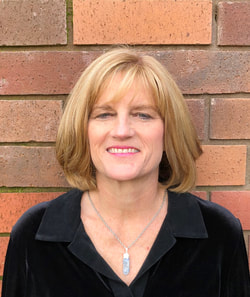 Geni Whitehouse CPA, CITP, CSPM Author, speaker, trainer > 50% Countess of Communication, Brotemarkle,Davis Co. > 50% Writin', speakin', consultin' Co-founder of SolveServices.com a remote bookkeeping service for wineries. How to hire me. Author How to Make a Boring Subject Interesting : 52 ways even a nerd can be heard I have a ton of other websites including my newest for Twitter newbies www.evenatwit.com Originally from Greenville, SC, I now live in Napa, California. Contact Geni
I am an accountant on a mission. I want to permanently remove the blight of BORING that has attached itself to members of my profession.
But the boring blight doesn't stop there. It's everywhere. I've found it in wineries (although it's a tad more palatable when served with alcohol), in science labs, even in Art museums. And technology people carry the "B" gene too. But the condition need not be fatal. I lecture around the country to accountants and technology audiences and I have a ball. I was a partner in an Atlanta CPA firm when I realized technology was my true passion and I have been fighting the nerd versus geek battle ever since. Through some stroke of absolutely amazing luck, I now find myself in Napa -- the most gorgeous, hospitable place imaginable. Are you on Twitter? You can follow my nerdy life there : evenanerd Contact me geni@evenanerd.com I am a graduate of the Jeff Justice Comedy Workshoppe and the Persuasive Speaker course taught by Speechworks. I highly recommend both of these organizations. I have also taken training from the amazing Lynda Spillane. I am not unbiased, nor do I wish to be. I have done work for anyone and everyone in the software industry or the accounting profession. If I am not impressed by what you do or can't find an angle that is interesting or unique, I won't work for or with you. And if you are stodgy or boring, there are not enough dollars or even euros to make me help you. See samples of my writing here: www.salestaxradar.com www.mybizcounts.com  Archives
July 2017
Categories
All
Other websites you might enjoy: |
 RSS Feed